Renewable Plant Energy Systems: An Overview to Explore Basics, Facts, and Practical Knowledge
Renewable plant energy systems refer to power generation setups that convert naturally replenishing resources—such as sunlight, wind, flowing water, organic matter, and geothermal heat—into usable electricity or thermal energy. These systems exist to address the long-term limits of fossil fuels and the environmental challenges linked to conventional power generation. By relying on resources that are continuously available through natural cycles, renewable energy plants aim to deliver stable, scalable, and environmentally responsible power for modern economies.
At their core, renewable power plants are designed around energy conversion efficiency, grid integration, and resource optimization. Solar photovoltaic plants transform sunlight directly into electricity, while wind energy plants harness kinetic energy from air movement. Hydropower plants rely on gravitational force and water flow, and biomass plants utilize organic residues to generate energy. Each system has evolved through decades of engineering improvements to support increasing electricity demand without intensifying environmental stress.
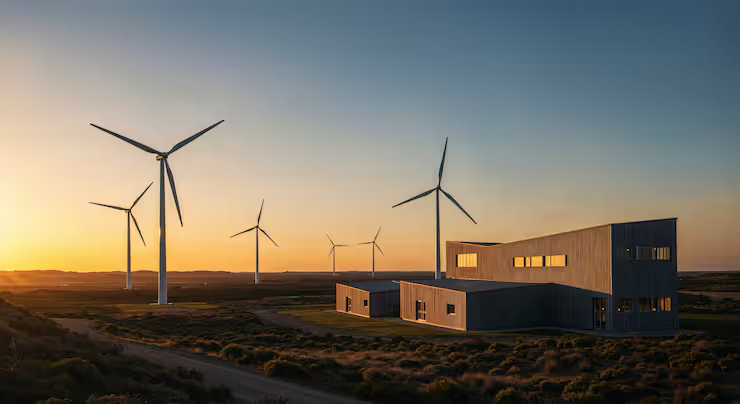
Why Renewable Energy Systems Matter Today
Renewable plant energy systems play a decisive role in shaping today’s energy landscape. Rising electricity consumption, climate-related risks, and energy security concerns have made clean power infrastructure a priority for governments, utilities, and industries.
Key reasons these systems matter include:
-
Energy security and diversification through reduced dependence on imported fuels
-
Lower lifecycle emissions compared to conventional thermal power generation
-
Scalability from distributed micro-plants to utility-scale installations
-
Support for industrial electrification, electric mobility, and digital infrastructure
These systems directly affect households, manufacturing units, data centers, and public infrastructure. For developing economies, renewable energy plants help expand electricity access while stabilizing long-term power supply. For advanced economies, they support grid modernization and emissions management targets.
Key Developments and Trends in the Past Year
Over the past year, renewable plant energy systems have seen rapid innovation and deployment. In 2025, global renewable capacity additions continued to accelerate, driven by advances in energy storage, grid-scale solar installations, and offshore wind technology.
Notable trends include:
-
Hybrid power plants combining solar, wind, and battery storage for improved load balancing
-
Advanced inverters and digital monitoring enhancing grid stability
-
Floating solar plants deployed on reservoirs and industrial water bodies
-
Repowering of aging wind farms with higher-capacity turbines
Energy storage integration has been a defining development. Battery-backed renewable plants are now designed to smooth output variability and support peak demand periods. Digital twins and AI-based forecasting tools are also increasingly used to improve plant efficiency and predictive maintenance.
Regulatory Frameworks and Policy Influence
Renewable plant energy systems are strongly shaped by national energy policies and regulatory frameworks. In India, renewable energy development is guided by national missions focused on clean power expansion, grid resilience, and emissions reduction. Policy instruments such as renewable purchase obligations, grid codes, and long-term capacity targets influence how plants are planned and connected.
Globally, organizations like the International Energy Agency provide policy guidance and data that inform national strategies. Regulations typically focus on:
-
Grid interconnection standards
-
Environmental impact compliance
-
Long-term power planning and forecasting
-
Energy storage and transmission integration
Such frameworks help ensure renewable plants operate reliably while aligning with broader energy transition goals.
Essential Tools, Platforms, and Knowledge Resources
Managing and evaluating renewable plant energy systems requires specialized tools and analytical resources. These tools support planning, performance analysis, and long-term optimization.
Commonly used resources include:
-
Energy yield simulation software for solar and wind plants
-
Grid integration and load flow analysis platforms
-
Renewable energy atlases and resource mapping databases
-
Plant monitoring dashboards using IoT sensors
-
Financial and performance benchmarking models
The table below highlights practical tools and their primary applications:
| Tool Category | Primary Use | Typical Output |
|---|---|---|
| Resource Assessment | Site evaluation | Energy potential data |
| Performance Analytics | Operational insights | Efficiency metrics |
| Grid Modeling | Stability analysis | Load and voltage profiles |
| Storage Planning | Dispatch optimization | Backup capacity estimates |
These resources help stakeholders make data-driven decisions while maintaining compliance with grid and environmental standards.
Frequently Asked Questions About Renewable Plant Energy Systems
How do renewable power plants handle variable energy output?
Variability is managed through energy storage systems, diversified generation sources, and advanced forecasting models that align production with demand.
Are renewable energy plants suitable for industrial-scale power needs?
Yes. Utility-scale solar, wind, and hydropower plants are designed to support heavy industrial loads when integrated with modern grids and storage solutions.
What factors determine the efficiency of a renewable plant?
Resource quality, technology selection, system design, maintenance practices, and grid integration all influence overall efficiency.
How long do renewable power plants typically operate?
Most plants are engineered for multi-decade operation, with periodic upgrades and component replacements improving long-term performance.
Do renewable plants support grid stability?
Modern renewable systems use smart inverters, storage, and digital controls that actively contribute to voltage and frequency regulation.
The Broader Impact and Future Outlook
Renewable plant energy systems represent a foundational shift in how electricity is generated and managed. They combine engineering innovation, digital intelligence, and policy alignment to meet rising energy needs responsibly. As grids evolve and energy demand patterns change, renewable plants are expected to become more flexible, resilient, and interconnected.
The future outlook points toward integrated energy ecosystems where renewable generation, storage, and smart grids operate as a unified system. This evolution strengthens energy reliability, supports economic growth, and aligns power generation with long-term environmental objectives.