Renewable & Alternative Energy Explained An Informative Guide with Facts, Basics, and Practical Knowledge
Renewable and alternative energy refers to energy sources designed to reduce dependence on finite fossil fuels while lowering environmental impact. These energy forms originate from naturally replenishing processes or innovative technologies that aim to produce power more efficiently and responsibly.
Renewable energy typically includes solar, wind, hydropower, geothermal, and biomass. Alternative energy is a broader term that also covers nuclear power, hydrogen energy, and emerging low-carbon technologies. Together, these systems exist to address energy security, environmental degradation, and the rising global demand for electricity.
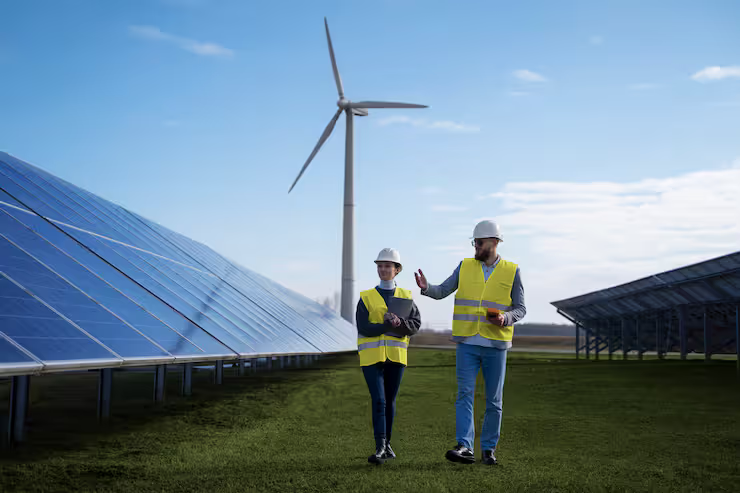
Traditional energy systems based on coal, oil, and natural gas have powered industrial growth for decades, but they also contribute to air pollution and climate change. Renewable and alternative energy emerged as a response to these challenges, offering cleaner pathways for electricity generation, heating, cooling, and transportation.
Why Renewable and Alternative Energy Matters Today
Energy demand continues to rise due to urbanization, digital infrastructure, and industrial expansion. Renewable and alternative energy plays a critical role in meeting this demand while addressing multiple global challenges.
Key reasons this topic is important include:
-
Reduced greenhouse gas emissions and improved air quality
-
Long-term energy security through diversified energy sources
-
Support for climate resilience and sustainable development goals
-
Increased access to electricity in remote and underserved regions
These energy systems affect households, industries, governments, and ecosystems. By integrating renewable and alternative energy into national grids, countries reduce reliance on imported fuels and improve economic stability.
Another important benefit lies in technological innovation. Advancements in energy storage, smart grids, and efficiency improvements continue to reshape how power is generated and distributed, making clean energy more reliable and scalable.
Recent Trends and Updates in Renewable and Alternative Energy
Over the past year, renewable and alternative energy has seen notable progress across technology adoption, policy commitments, and infrastructure development.
In 2025, global solar capacity continued expanding as utility-scale and distributed solar installations increased across Asia and Europe. Wind energy also experienced growth, particularly offshore wind projects supported by improved turbine efficiency.
Hydrogen energy gained attention as governments released updated roadmaps emphasizing green hydrogen production using renewable electricity. Battery storage technologies advanced, with longer lifespans and improved grid integration supporting intermittent energy sources like solar and wind.
International climate discussions reinforced renewable adoption targets aligned with the goals of the Paris Agreement. Many countries announced updated national energy strategies focused on decarbonization and grid modernization.
Laws, Regulations, and Government Programs
Renewable and alternative energy development is strongly influenced by policy frameworks, incentives, and regulatory standards. Governments use energy policies to guide investment, ensure grid stability, and promote clean energy adoption.
In India, national programs emphasize large-scale solar parks, wind corridors, and renewable integration into existing grids. Policy measures support energy transition goals while aligning with long-term climate commitments.
Across the European Union, renewable energy directives establish binding targets for clean energy usage, encouraging member states to modernize power systems. In the United States, federal and state-level regulations promote renewable portfolio standards and grid resilience planning.
Key policy areas typically include:
-
Renewable energy capacity targets
-
Grid interconnection standards
-
Emissions reduction commitments
-
Research and development funding
These policies shape how quickly renewable and alternative energy technologies move from innovation to widespread implementation.
Tools, Platforms, and Educational Resources
Understanding renewable and alternative energy is supported by a wide range of digital tools and informational platforms designed for analysis, planning, and education.
Commonly used resources include:
-
Energy output estimation calculators for solar and wind systems
-
Grid emission intensity dashboards and carbon tracking platforms
-
Open data portals providing national and regional energy statistics
-
Interactive learning platforms explaining renewable technologies
-
Simulation tools for energy modeling and scenario analysis
These resources help students, researchers, policymakers, and energy planners explore performance metrics, environmental impact, and system integration strategies without promotional intent.
Renewable and Alternative Energy Types at a Glance
| Energy Type | Primary Source | Key Advantage | Typical Applications |
|---|---|---|---|
| Solar Energy | Sunlight | Abundant and scalable | Power generation, heating |
| Wind Energy | Air movement | Low emissions | Grid electricity |
| Hydropower | Flowing water | Reliable output | Large-scale generation |
| Geothermal | Earth’s heat | Stable baseload | Heating, electricity |
| Biomass | Organic matter | Waste utilization | Power and fuel |
| Nuclear | Atomic reactions | High energy density | Large-scale electricity |
| Hydrogen | Chemical reactions | Zero emissions at use | Energy storage, transport |
Frequently Asked Questions
What is the difference between renewable and alternative energy?
Renewable energy comes from naturally replenishing sources like sunlight and wind. Alternative energy includes renewable sources and other low-carbon options such as nuclear and hydrogen.
Is renewable energy reliable for large power systems?
Yes. With grid integration, energy storage, and diversified sources, renewable energy can provide reliable electricity for large populations.
How does alternative energy support climate goals?
Alternative energy reduces reliance on fossil fuels, lowering greenhouse gas emissions and supporting long-term climate targets.
Can renewable energy support industrial demand?
Modern renewable systems combined with storage and smart grids are increasingly capable of supporting industrial-scale energy requirements.
What role does energy storage play in renewables?
Energy storage balances supply and demand, ensuring consistent power availability even when renewable generation varies.
Energy Transition Insights Through Data
| Indicator | Trend Direction | Practical Insight |
|---|---|---|
| Global solar capacity | Increasing | Supports distributed generation |
| Wind turbine efficiency | Improving | Higher output per installation |
| Battery storage adoption | Rising | Enhances grid stability |
| Hydrogen research | Expanding | Enables future energy flexibility |
Conclusion
Renewable and alternative energy represents a foundational shift in how societies generate and consume power. Driven by environmental necessity, technological progress, and policy alignment, these energy systems offer practical solutions to modern energy challenges.
As renewable capacity expands and alternative technologies mature, energy systems become more resilient, efficient, and sustainable. Understanding the basics, recent updates, regulatory context, and available resources provides valuable knowledge for navigating the evolving global energy landscape.
This guide highlights how renewable and alternative energy continues shaping a cleaner, more adaptable future through informed planning, innovation, and responsible implementation.