Hybrid & Alternative Vehicles An In-Depth Guide to Basics, Technology, Facts, and Practical Knowledge
Hybrid and alternative vehicles represent a broad category of transportation technologies designed to reduce dependence on conventional internal combustion engines. These vehicles combine or replace traditional fuel systems with electric motors, advanced batteries, hydrogen fuel cells, or renewable energy inputs. The concept emerged from decades of research into energy efficiency, emissions reduction, and long-term mobility resilience.
The rise of hybrid electric vehicles, battery electric vehicles, plug-in hybrid systems, and hydrogen-powered platforms reflects the global response to environmental pressure, urban air quality challenges, and finite fossil fuel resources. Advances in power electronics, lithium-ion battery chemistry, regenerative braking systems, and vehicle energy management software have made these technologies viable for everyday mobility across personal, commercial, and public transportation segments.
Why Hybrid & Alternative Vehicles Matter Today
Hybrid and alternative vehicles play a critical role in reshaping modern mobility. Their relevance extends beyond personal transportation and influences energy infrastructure, environmental policy, and automotive innovation.
Key reasons these vehicles are significant today include:
-
Reduction in tailpipe emissions and improved urban air quality
-
Enhanced fuel efficiency through dual powertrains and intelligent energy management
-
Lower reliance on imported fossil fuels
-
Support for national climate commitments and sustainability targets
-
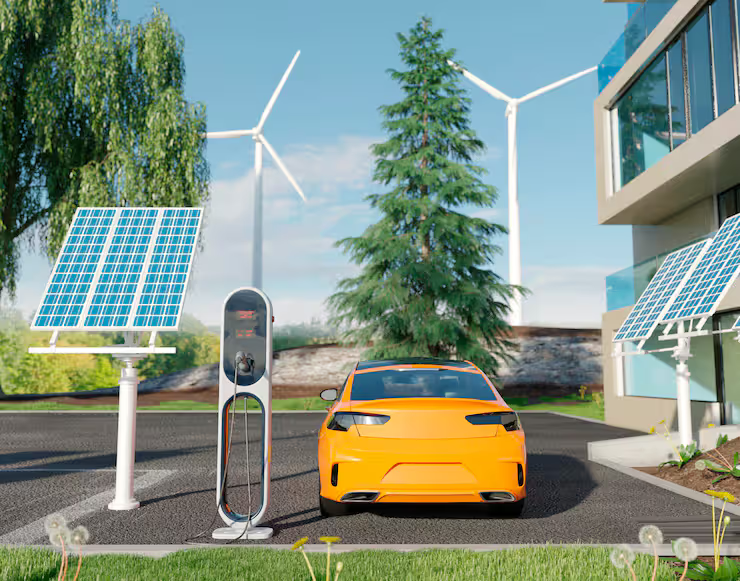
Integration with renewable energy ecosystems such as solar and wind
These vehicles affect a wide range of stakeholders, including commuters, fleet operators, city planners, and policymakers. By addressing issues like greenhouse gas emissions, fuel volatility, and noise pollution, hybrid and alternative vehicles contribute to cleaner, quieter, and more efficient transport systems.
The technology stack behind hybrid and alternative vehicles is diverse and continuously evolving. Each vehicle type uses a different combination of components, software, and energy sources.
Core technology elements include:
-
Electric traction motors that deliver instant torque and high efficiency
-
Energy storage systems such as lithium-ion and solid-state batteries
-
Power control units and inverters for managing electrical flow
-
Regenerative braking systems that recover kinetic energy
-
Fuel cell stacks in hydrogen vehicles that generate electricity onboard
Hybrid systems intelligently switch between power sources depending on driving conditions, while fully electric vehicles rely entirely on stored electrical energy. Plug-in hybrids extend flexibility by allowing external charging alongside traditional fueling.
Recent Developments and Industry Trends
Over the past year, the hybrid and alternative vehicle sector has seen notable advancements driven by regulatory pressure and technological maturity.
In 2025, several manufacturers expanded the use of advanced driver assistance systems integrated with energy optimization software. Battery energy density improvements and thermal management enhancements have extended vehicle range and durability. Hydrogen mobility initiatives gained renewed attention through pilot corridors and heavy-vehicle demonstrations in Asia and Europe.
Global automakers such as Toyota, Tesla, and Hyundai Motor Group continued investing in next-generation electrification platforms. At the same time, research institutions focused on solid-state batteries and sustainable material sourcing for battery production.
Laws, Regulations, and Government Programs
Hybrid and alternative vehicles are strongly influenced by public policy frameworks. Governments use regulatory standards and incentive-based programs to accelerate adoption and innovation.
In India, national initiatives such as FAME India Scheme support electric and hybrid mobility through manufacturing encouragement and infrastructure development. Emission norms aligned with Bharat Stage VI regulations have pushed manufacturers toward cleaner powertrains.
Internationally, fleet emission targets, zero-emission mandates, and fuel economy standards continue to shape vehicle design. These policies encourage automakers to invest in low-emission technologies while ensuring safety, recyclability, and energy efficiency compliance.
Practical Tools and Knowledge Resources
A wide ecosystem of digital tools and knowledge platforms supports understanding and evaluation of hybrid and alternative vehicle technologies.
Useful resources include:
-
Vehicle energy consumption comparison calculators
-
Battery health and lifecycle estimation tools
-
Charging infrastructure location maps
-
Emissions benchmarking dashboards
-
Automotive technology research portals
These tools help users, researchers, and planners analyze performance metrics, environmental impact, and long-term sustainability considerations without focusing on transactional aspects.
Technology Comparison Table
| Vehicle Type | Primary Energy Source | Key Advantage | Typical Application |
|---|---|---|---|
| Hybrid Electric | Fuel + Electricity | Optimized efficiency | Urban commuting |
| Plug-in Hybrid | Grid electricity + fuel | Extended driving flexibility | Mixed-use driving |
| Battery Electric | Electricity | Zero tailpipe emissions | City and highway travel |
| Hydrogen Fuel Cell | Hydrogen | Rapid energy replenishment | Long-distance and fleets |
Frequently Asked Questions
How do hybrid vehicles differ from fully electric vehicles?
Hybrid vehicles combine an internal combustion engine with an electric motor, while fully electric vehicles rely exclusively on battery-stored electricity.
Are alternative vehicles suitable for long-distance travel?
Advances in battery capacity, charging networks, and hydrogen refueling corridors have significantly improved long-distance usability.
What is regenerative braking and why is it important?
Regenerative braking converts kinetic energy into electrical energy during deceleration, improving overall efficiency and extending driving range.
Do hybrid vehicles require different driving habits?
Driving behavior remains largely the same, although smooth acceleration and braking maximize energy recovery benefits.
How do government policies influence vehicle technology?
Regulations and incentive frameworks guide research investment, emissions targets, and infrastructure development, shaping the pace of adoption.
Conclusion
Hybrid and alternative vehicles represent a pivotal shift in transportation technology, blending engineering innovation with environmental responsibility. Their development addresses critical challenges such as emissions reduction, energy efficiency, and sustainable mobility planning. With continuous improvements in battery systems, power electronics, and supportive policy environments, these vehicles are becoming integral to the future of global transportation. Understanding their technology, regulatory context, and practical applications provides valuable insight into how mobility is evolving in response to economic, environmental, and technological demands.