Solar Power Plant Systems Comparison Guide: Explore Basics, Insights, and Practical Knowledge
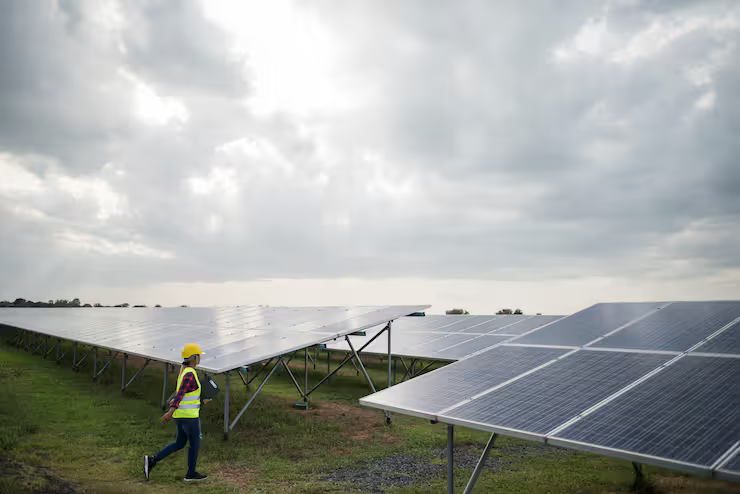
Solar power plant systems convert sunlight into usable electricity through different technologies and configurations. These systems broadly include photovoltaic (PV) plants, concentrated solar power (CSP) systems, and hybrid solar setups. Each type operates differently, with varying efficiency, cost structures, scalability, and suitability for different geographic and economic conditions.
In recent years, solar energy has gained strong momentum due to declining technology costs, rising energy demand, and global efforts to reduce carbon emissions. Governments and industries are increasingly investing in renewable energy infrastructure, making solar power a central component of modern energy strategies. According to international energy reports, solar installations continue to lead new power capacity additions globally.
This comparison matters today because decision-makers—whether policymakers, businesses, or individuals—need clarity on which system aligns with their energy needs, climate conditions, and budget. Technological advancements such as improved panel efficiency, energy storage integration, and smart grid compatibility are also reshaping how solar plants are designed and deployed.
Who It Affects and What Problems It Solves
Solar power plant systems impact a wide range of stakeholders. Utility companies use large-scale solar farms to diversify energy portfolios and reduce dependence on fossil fuels. Businesses adopt solar systems to manage energy costs and meet sustainability targets. Residential users benefit from rooftop solar installations that reduce electricity bills and provide backup power in some cases.
Additionally, governments and policymakers rely on solar energy to meet renewable energy targets and reduce greenhouse gas emissions. Rural and remote communities, especially in developing regions, gain access to electricity through decentralized solar systems, improving quality of life and economic opportunities.
Problems It Solves
- Energy Cost Volatility: Solar reduces reliance on fluctuating fossil fuel prices.
- Carbon Emissions: Helps lower environmental impact and supports climate goals.
- Energy Access: Enables electrification in off-grid or underserved regions.
- Grid Pressure: Distributed solar systems reduce load on centralized grids.
- Long-term Sustainability: Provides a renewable and virtually inexhaustible energy source.
Recent Updates and Trends
Over the past year, solar power systems have seen several important developments:
- Efficiency Improvements: New PV modules now exceed 22–24% efficiency in commercial use, improving energy output per unit area.
- Energy Storage Integration: Battery storage systems are increasingly paired with solar plants to ensure power availability during non-sunlight hours.
- Floating Solar Plants: Deployment of solar panels on water bodies has expanded, especially in land-constrained regions.
- Hybrid Systems Growth: Combining solar with wind or diesel backup systems is becoming more common for reliability.
- Policy Push: Many countries have increased renewable energy targets and introduced incentives for solar adoption.
- Grid Modernization: Smart grids and digital monitoring systems are enhancing solar plant performance and integration.
These trends indicate a shift toward more efficient, flexible, and scalable solar solutions.
Solar Power Plant Systems Comparison Table
| Feature | Photovoltaic (PV) Systems | Concentrated Solar Power (CSP) | Hybrid Solar Systems |
|---|---|---|---|
| Technology Type | Converts sunlight directly into electricity | Uses mirrors to concentrate heat | Combines solar with other energy sources |
| Efficiency | Moderate to high (15–24%) | High in ideal conditions | Varies depending on components |
| Initial Cost | Moderate | High | High |
| Maintenance | Low | Moderate to high | Moderate |
| Scalability | Highly scalable | Limited to large-scale plants | Flexible |
| Energy Storage Integration | Easy (battery systems) | Built-in thermal storage | Often included |
| Land Requirement | Moderate | High | Variable |
| Best Use Case | Residential, commercial, utility | Utility-scale generation | Remote or hybrid applications |
| Weather Dependence | Affected by sunlight availability | Requires strong direct sunlight | More resilient |
Laws and Policies Affecting Solar Power Systems
Solar power adoption is heavily influenced by government regulations, incentives, and policy frameworks. In countries like India, solar energy development is supported through national initiatives such as renewable energy targets and subsidy programs.
Key Policy Areas
- Subsidies and Incentives: Governments provide financial support for residential and commercial solar installations.
- Net Metering Policies: Allow users to feed excess electricity back into the grid and receive credits.
- Renewable Purchase Obligations (RPO): Require utilities to source a portion of energy from renewables.
- Land Use Regulations: Affect large-scale solar farm development.
- Grid Integration Standards: Ensure safe and efficient connection to power grids.
Practical Guidance
- Residential Users: Rooftop PV systems are often the most practical due to subsidies and net metering benefits.
- Commercial Users: Hybrid systems with storage can provide cost stability and backup power.
- Utility Projects: CSP or large PV farms are suitable where land and sunlight conditions are optimal.
- Remote Areas: Off-grid hybrid systems offer reliable energy access.
Understanding local regulations is essential before selecting a solar system type, as policies can significantly influence cost-effectiveness and feasibility.
Tools and Resources
Several tools and resources can help evaluate and plan solar power systems:
- Solar Calculators: Estimate energy generation, cost savings, and system size requirements.
- Simulation Software: Tools like PV system simulators help model performance under different conditions.
- Government Portals: Provide information on subsidies, policies, and approved vendors.
- Energy Monitoring Apps: Track real-time solar generation and consumption.
- Financial Analysis Tools: تساعد in calculating return on investment and payback periods.
- GIS Mapping Tools: Assess solar potential based on geographic location.
These resources help users make informed, data-driven decisions.
Frequently Asked Questions (FAQ)
What is the difference between PV and CSP solar systems?
Photovoltaic systems convert sunlight directly into electricity, while CSP systems use mirrors to generate heat and produce electricity through turbines.
Which solar system is best for residential use?
PV systems are generally the most suitable due to lower cost, easier installation, and compatibility with rooftops.
Do solar power plants work during cloudy weather?
Yes, PV systems still generate electricity under diffused sunlight, though at reduced efficiency.
How long do solar power systems last?
Most solar panels have a lifespan of 25–30 years, with gradual efficiency decline over time.
Is energy storage necessary for solar systems?
Not always, but battery storage improves reliability by providing power during nighttime or outages.
Conclusion
Solar power plant systems offer diverse solutions tailored to different energy needs and environments. Photovoltaic systems dominate due to their flexibility, declining costs, and ease of deployment. Concentrated solar power systems, while more complex, provide advantages in large-scale applications with integrated thermal storage. Hybrid systems offer enhanced reliability, especially in areas with inconsistent sunlight or grid access.
Data trends indicate that PV technology continues to lead global adoption due to its scalability and improving efficiency. Meanwhile, integration with storage and smart grid systems is becoming a defining feature of modern solar infrastructure.
For most users—especially residential and small commercial—PV systems represent the most practical and cost-effective choice. Utility-scale projects may benefit from a mix of PV and CSP depending on geographic and economic factors.
Ultimately, the best system depends on location, energy demand, policy environment, and long-term sustainability goals.