Exploring Solar Power Plant Systems Key Insights, Facts, and Practical Energy Information
Solar power plant systems are large-scale energy infrastructures designed to convert sunlight into usable electrical energy. These systems exist to address the growing demand for reliable electricity while reducing dependence on fossil fuels. By using photovoltaic panels or solar thermal technology, solar power plants transform renewable solar radiation into grid-ready power.
The concept of centralized solar power generation has evolved rapidly due to advances in energy technology, grid integration, and climate awareness. Today, solar power plant systems play a critical role in national energy strategies, sustainable development planning, and long-term electricity security.
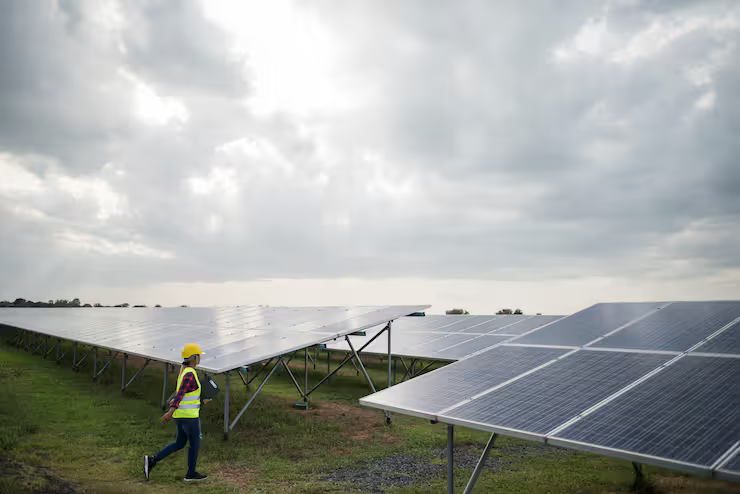
Why Solar Power Plant Systems Matter Today
Solar power plant systems are increasingly important due to rising electricity demand, environmental concerns, and energy security challenges. They support cleaner energy generation while contributing to stable power supply across industrial, commercial, and utility-scale applications.
Key reasons these systems matter include:
-
Reduction of greenhouse gas emissions
-
Improved long-term energy sustainability
-
Diversification of national power generation sources
-
Support for grid resilience and peak load management
-
Alignment with global clean energy transition goals
Solar power plants affect utility providers, policymakers, infrastructure planners, researchers, and communities connected to national power grids. They help solve challenges related to fuel price volatility, carbon intensity, and long-term electricity planning.
Types of Solar Power Plant Systems Explained
Solar power plants operate using different technological approaches, each suited to specific geographic and climatic conditions.
Main system categories include:
-
Photovoltaic (PV) power plants using solar panels and inverters
-
Concentrated Solar Power (CSP) systems using mirrors and thermal storage
-
Hybrid solar plants combined with other renewable sources
-
Floating solar power plants deployed on water reservoirs
Comparison of Solar Power Plant Technologies
| Technology Type | Energy Conversion Method | Grid Compatibility | Storage Capability |
|---|---|---|---|
| Photovoltaic | Sunlight to electricity | High | External storage |
| CSP | Sunlight to heat | Medium | Thermal storage |
| Hybrid Solar | Mixed generation | High | Flexible |
| Floating Solar | PV on water bodies | High | External storage |
Recent Developments and Industry Trends
Over the past year, solar power plant systems have seen notable technological and policy-driven progress. In 2024–2025, global solar capacity additions increased due to improved module efficiency and smarter grid integration.
Recent trends include:
-
Adoption of bifacial solar modules for higher energy yield
-
Expansion of utility-scale battery-integrated solar plants
-
Increased focus on land-efficient solar deployment models
-
Enhanced digital monitoring using AI-based energy analytics
-
Grid-scale forecasting tools for solar generation accuracy
In India, solar capacity expansion accelerated through large solar parks and interstate transmission planning updates announced during 2024. Grid operators have increasingly emphasized energy storage integration to balance variable solar output.
Laws, Regulations, and Government Framework in India
Solar power plant systems in India operate within a structured regulatory framework guided by national renewable energy objectives. Policies focus on capacity expansion, grid stability, and long-term energy transition planning.
Key regulatory influences include:
-
National Solar Mission targets for utility-scale solar deployment
-
Renewable Purchase Obligation (RPO) requirements for utilities
-
Central Electricity Authority grid connectivity standards
-
Environmental clearance norms for large solar installations
-
Transmission planning policies for renewable energy corridors
Government programs emphasize large-scale solar parks, interstate power transfer infrastructure, and domestic manufacturing support to strengthen the solar ecosystem.
Tools and Resources for Solar Power Plant Understanding
Various digital tools and analytical resources help professionals, researchers, and planners understand solar power plant systems more effectively.
Helpful resources include:
-
Solar irradiance mapping platforms
-
Energy yield estimation calculators
-
Grid-connected solar performance simulators
-
Satellite-based land suitability tools
-
Power plant monitoring dashboards
-
Solar forecasting and analytics software
Common Solar Analysis Tools Overview
| Tool Category | Primary Use | Typical Output |
|---|---|---|
| Irradiance Maps | Sunlight assessment | kWh/m² data |
| Yield Calculators | Energy estimation | Annual output |
| Grid Simulators | Power flow analysis | Load balance |
| Monitoring Systems | Performance tracking | Real-time data |
These tools support informed planning, system optimization, and long-term operational insights.
Frequently Asked Questions About Solar Power Plant Systems
What is the main purpose of a solar power plant system?
The primary purpose is to generate electricity from solar energy at scale and supply it to the power grid in a reliable and sustainable manner.
How do solar power plants connect to the electricity grid?
They connect through substations and transmission lines that synchronize generated power with grid voltage and frequency standards.
Do solar power plants generate electricity during cloudy weather?
Yes, generation continues at reduced levels because photovoltaic systems can use diffused sunlight.
What factors influence solar power plant efficiency?
Key factors include solar irradiance, panel technology, temperature, system design, and maintenance quality.
How long do solar power plant systems typically operate?
Most systems are designed for long operational lifespans with gradual performance degradation over time.
Challenges and Practical Considerations
While solar power plant systems offer numerous benefits, practical challenges must be addressed for optimal performance.
Common considerations include:
-
Land availability and site selection
-
Grid integration and power variability
-
Energy storage and dispatch planning
-
Environmental impact assessments
-
Long-term system performance monitoring
Advancements in forecasting, storage technologies, and grid automation continue to reduce these challenges.
Future Outlook for Solar Power Plant Systems
The future of solar power plant systems is shaped by innovation, policy alignment, and growing electricity demand. Emerging trends point toward higher-efficiency modules, integrated storage, and smarter grid coordination.
Expected developments include:
-
Greater use of AI-driven energy optimization
-
Expansion of hybrid renewable power plants
-
Increased deployment in non-traditional locations
-
Stronger regional grid interconnections
Solar power plants are expected to remain a cornerstone of clean energy infrastructure worldwide.
Conclusion
Solar power plant systems represent a critical component of modern energy infrastructure. By converting abundant sunlight into electricity, they support sustainable development, energy diversification, and long-term grid stability. Continued technological innovation, supportive regulations, and advanced analytical tools are shaping a more resilient solar energy ecosystem.
As energy demand continues to rise, solar power plant systems will remain central to future-focused electricity planning and environmental responsibility.