Explore Wind Energy Converters A Complete Guide with Basics, Explanation, and Key Insights
Wind energy converters are systems designed to transform the kinetic energy of moving air into usable electrical energy. They exist to harness a naturally replenishing resource—wind—and convert it into power through aerodynamic blades, mechanical shafts, and electrical generators. As part of modern renewable energy infrastructure, these converters bridge natural forces and electrical grids.
At their core, wind energy converters consist of a rotor, nacelle, tower, and control systems. When wind flows across the blades, lift is generated, causing rotation. This mechanical rotation drives a generator that produces electricity. Over decades, advancements in materials science, aerodynamics, and digital controls have made these systems more efficient, reliable, and adaptable to different wind conditions.
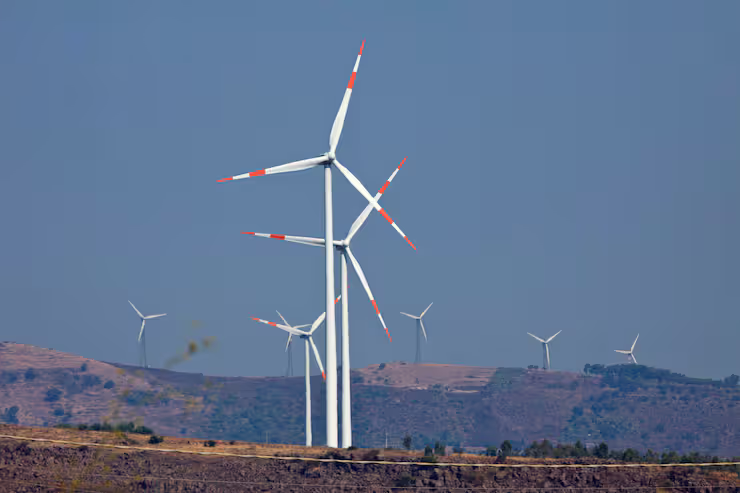
Wind energy converters emerged to address rising electricity demand, fossil fuel dependency, and environmental impact. Today, they represent a mature clean energy technology integrated into national power systems and long-term energy planning.
Importance: Why Wind Energy Converters Matter Today
Wind energy converters play a vital role in the global energy transition. They influence electricity generation, climate strategy, grid stability, and energy diversification.
Why this topic matters
-
Supports renewable power generation and long-term energy security
-
Reduces dependence on conventional fuel-based power plants
-
Aligns with climate mitigation goals and emissions reduction strategies
-
Enhances grid-scale electricity diversification
Who it affects
-
Power system planners and energy researchers
-
Infrastructure developers and policymakers
-
Educational institutions and sustainability analysts
-
Communities connected to modern power grids
Problems it helps solve
-
Volatility in fuel-based electricity generation
-
Environmental impacts linked to conventional power sources
-
Grid congestion through decentralized generation
-
Long-term electricity demand growth
Below is a simplified comparison highlighting why wind energy converters are increasingly prioritized:
| Aspect | Conventional Power | Wind Energy Converters |
|---|---|---|
| Energy Source | Finite fuels | Naturally replenishing |
| Emissions Profile | High | Minimal during operation |
| Scalability | Limited by resources | Modular and expandable |
| Grid Integration | Centralized | Centralized and distributed |
Recent Updates: Trends and Developments in the Past Year
The past year has seen notable developments in wind energy converter technology and deployment strategies.
Technology trends (2024–2025)
-
Increased adoption of larger rotor diameters to improve power generation efficiency
-
Advanced digital monitoring using artificial intelligence for predictive maintenance
-
Improved power electronics enabling smoother grid integration
Deployment and planning updates
-
Hybrid renewable projects combining wind energy converters with solar installations
-
Expansion of offshore and near-shore wind feasibility studies
-
Enhanced focus on repowering older wind installations with modern converters
Research and innovation highlights
-
Development of recyclable blade materials
-
Enhanced low-wind-speed turbine designs for inland regions
-
Improved forecasting algorithms for wind resource assessment
These updates indicate a shift toward smarter, more adaptable wind energy converters that align with evolving grid requirements and sustainability benchmarks.
Laws and Policies: Regulatory Influence in India
In India, wind energy converters are influenced by national policies, regulatory frameworks, and renewable energy programs.
Key policy frameworks
-
National Wind–Solar Hybrid Policy encouraging integrated renewable generation
-
Guidelines issued by the Ministry of New and Renewable Energy (MNRE) supporting wind resource assessment and technology upgrades
-
Renewable Purchase Obligations (RPOs) shaping electricity procurement planning
Grid and compliance considerations
-
Technical standards for grid connectivity and power quality
-
Forecasting and scheduling regulations for wind-based electricity
-
Land-use and environmental clearance norms
Long-term policy direction
-
Alignment with national renewable capacity targets
-
Emphasis on domestic manufacturing and technology development
-
Support for research, testing centers, and data transparency
These policies shape how wind energy converters are planned, deployed, and connected within the national power ecosystem.
Tools and Resources: Practical Support for Understanding Wind Energy Converters
A variety of digital tools and knowledge resources help analyze, plan, and evaluate wind energy converters.
Analytical and assessment tools
-
Wind resource mapping platforms
-
Power generation simulation software
-
Grid integration assessment calculators
Educational and data resources
-
Government renewable energy portals
-
International energy agency knowledge hubs
-
Academic research repositories
Operational insights
-
Performance monitoring dashboards
-
Weather and wind forecasting platforms
-
Energy yield estimation templates
Example overview of commonly used analytical parameters:
| Parameter | Purpose |
|---|---|
| Wind Speed Distribution | Energy yield estimation |
| Capacity Factor | Performance benchmarking |
| Turbine Power Curve | Output prediction |
| Grid Availability | Integration planning |
These tools enhance informed decision-making and technical understanding without promoting commercial transactions.
FAQs: Common Questions About Wind Energy Converters
What is a wind energy converter?
A wind energy converter is a system that transforms wind’s kinetic energy into electrical energy using aerodynamic blades and generators.
How does wind speed affect electricity generation?
Electricity output increases with wind speed up to a rated limit. Below or above specific thresholds, output is reduced to protect equipment and maintain stability.
Are wind energy converters suitable for all regions?
Suitability depends on wind resource availability, terrain, grid access, and environmental considerations. Resource assessment is essential before planning.
What is the capacity factor in wind power generation?
Capacity factor represents the actual electricity generated compared to maximum possible output over time, reflecting wind availability and system efficiency.
How do wind energy converters support grid stability?
Modern converters use advanced power electronics and control systems to regulate voltage, frequency, and ramp rates, supporting stable grid operations.
Conclusion: Key Insights and Future Outlook
Wind energy converters represent a cornerstone of modern renewable energy systems. By converting a natural atmospheric process into reliable electricity, they address energy security, environmental responsibility, and infrastructure resilience. Continuous innovation in materials, digital monitoring, and grid integration has elevated their role from supplemental generation to mainstream power contributors.
As policies evolve and technology advances, wind energy converters are expected to integrate more deeply with smart grids, hybrid renewable systems, and long-term sustainability strategies. Understanding their fundamentals, regulatory context, and recent developments provides valuable insight into the future of electricity generation and energy planning.