Explore Water Jet Looms Complete Guide with Insights, Knowledge, and Details
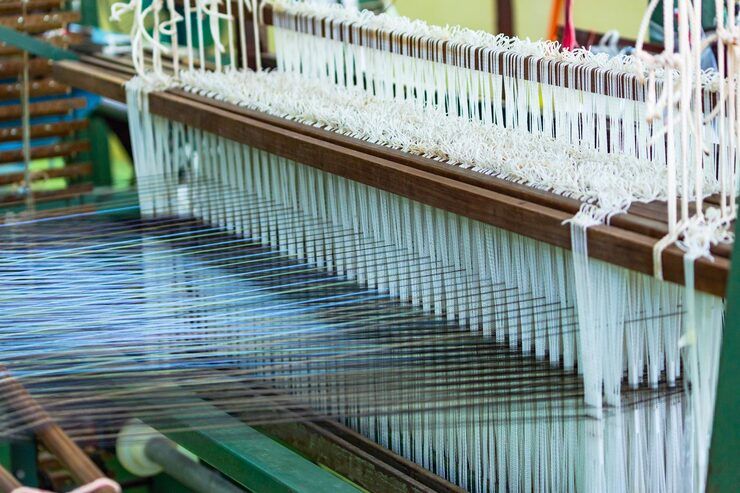
Water jet looms are advanced textile weaving machines that use a high-velocity jet of water to insert the weft yarn across the warp shed. Unlike traditional shuttle looms or air-based systems, the kinetic energy of water enables extremely fast and stable yarn insertion, especially for hydrophobic filament yarns such as polyester and nylon.
The concept emerged to address limitations in speed, vibration, and yarn damage found in earlier weaving technologies. As global textile demand expanded and synthetic fabrics became dominant in apparel, home furnishings, and technical textiles, manufacturers needed a solution capable of higher productivity with consistent fabric quality. Water jet looms evolved precisely to meet this requirement, combining mechanical precision with fluid dynamics to support large-scale, continuous weaving operations.
Why Water Jet Looms Matter in Modern Textile Manufacturing
Water jet looms play a critical role in today’s textile ecosystem. Their relevance extends across industrial production lines, export-oriented weaving units, and research-driven fabric development centers.
Key reasons for their importance include:
-
High production efficiency with very high picks per minute
-
Superior fabric uniformity for synthetic filament materials
-
Lower mechanical stress on yarn compared to shuttle systems
-
Reduced noise and vibration, improving the working environment
These looms directly affect textile engineers, mill operators, quality controllers, and supply chain planners. They help solve challenges related to output scalability, fabric consistency, and precision control. In regions with strong textile manufacturing bases such as India, China, and Japan, water jet loom technology supports large volumes of woven fabric used in domestic consumption and global trade.
Technology Trends and Recent Developments
Over the past year, water jet loom technology has seen notable advancements focused on automation, digital monitoring, and sustainability.
Recent developments observed since mid-2025 include:
-
Integration of IoT-enabled sensors for real-time loom performance analytics
-
Improved water recycling and filtration systems to reduce operational water usage
-
Enhanced electronic let-off and take-up mechanisms for precise tension control
-
Adoption of AI-assisted fault detection minimizing fabric defects
In August 2025, several textile machinery exhibitions in Asia highlighted smart loom dashboards that visualize efficiency, downtime patterns, and yarn break frequency. These upgrades reflect a broader shift toward data-driven manufacturing and Industry 4.0 alignment within textile plants.
Comparison of Weaving Technologies
| Feature | Water Jet Loom | Air Jet Loom | Rapier Loom |
|---|---|---|---|
| Suitable yarn type | Synthetic filament | Filament & spun | Wide range |
| Operating speed | Very high | High | Medium |
| Energy medium | Water | Compressed air | Mechanical |
| Fabric finish | Smooth, uniform | Uniform | Versatile |
| Noise level | Low | Moderate | Moderate |
Regulatory Environment and Policy Considerations
Water jet loom operations are influenced by industrial, environmental, and labor regulations, particularly in textile-focused economies.
In India, textile units using water jet looms are subject to:
-
Environmental compliance norms related to water usage and discharge
-
Energy efficiency guidelines under industrial modernization programs
-
Workplace safety standards covering machinery operation and maintenance
Government-supported initiatives such as textile technology upgradation schemes encourage adoption of advanced looms that improve efficiency and reduce resource intensity. Similar regulatory frameworks exist across Asia and parts of Europe, emphasizing sustainable manufacturing, responsible water management, and digital traceability in textile production.
Practical Tools, Platforms, and Learning Resources
Professionals working with water jet looms rely on a range of digital and technical resources to optimize performance and stay informed.
Commonly used tools and resources include:
-
Loom performance monitoring dashboards integrated with PLC systems
-
Textile engineering simulation software for weave design and yarn behavior
-
Online knowledge portals focused on weaving technology and fabric analysis
-
Technical manuals and maintenance planning templates from machinery manufacturers
-
Academic journals and industry publications covering advances in textile machinery
These resources support informed decision-making, predictive maintenance planning, and continuous skill development without relying on promotional or transactional content.
Frequently Asked Questions About Water Jet Looms
What types of yarns are best suited for water jet looms?
Water jet looms are most effective with hydrophobic filament yarns such as polyester, nylon, and polypropylene. These yarns resist water absorption and maintain consistent tensile properties during high-speed insertion.
How do water jet looms differ from air jet looms?
While both are high-speed weaving machines, water jet looms use water as the insertion medium, offering smoother yarn control for synthetic filaments. Air jet looms rely on compressed air and are compatible with a broader yarn range but may consume more energy.
Are water jet looms suitable for natural fibers?
They are generally not preferred for natural fibers like cotton or wool because these fibers absorb moisture, which can affect fabric quality and loom performance.
What maintenance considerations are important?
Regular inspection of nozzles, water filtration systems, and electronic controls is essential. Maintaining clean water quality is critical to prevent clogging and ensure consistent weft insertion.
How do modern water jet looms support sustainability goals?
Newer models emphasize closed-loop water systems, reduced waste generation, and energy-efficient drives, aligning textile production with environmental responsibility targets.
Final Thoughts on Water Jet Loom Technology
Water jet looms represent a significant milestone in the evolution of textile weaving. Their ability to deliver high-speed, high-precision fabric production makes them indispensable for synthetic textile manufacturing. With ongoing innovations in automation, digital control, and environmental performance, these looms continue to adapt to the changing demands of global textile markets.
As regulations tighten and manufacturers pursue smarter, cleaner operations, water jet loom technology stands out as a technically mature yet continuously evolving solution. For textile professionals seeking deep operational knowledge and strategic insight, understanding water jet looms is essential to navigating the future of industrial weaving.