Industrial Gas Systems Comparison Guide: Explore Basics, Insights, Tips & Practical Knowledge
Industrial gas systems are essential infrastructures used to store, transport, and regulate gases such as oxygen, nitrogen, hydrogen, carbon dioxide, and compressed air across industries. These systems include pipelines, cylinders, cryogenic storage units, and on-site gas generation equipment, each designed for specific operational requirements.
In recent years, comparing industrial gas systems has become increasingly important due to rising energy costs, stricter environmental regulations, and the growing adoption of automation in manufacturing. Industries now prioritize efficiency, safety, and sustainability when selecting gas systems. For example, on-site gas generation is gaining traction as it reduces dependency on external supply chains, while cryogenic systems are evolving with improved insulation technologies.
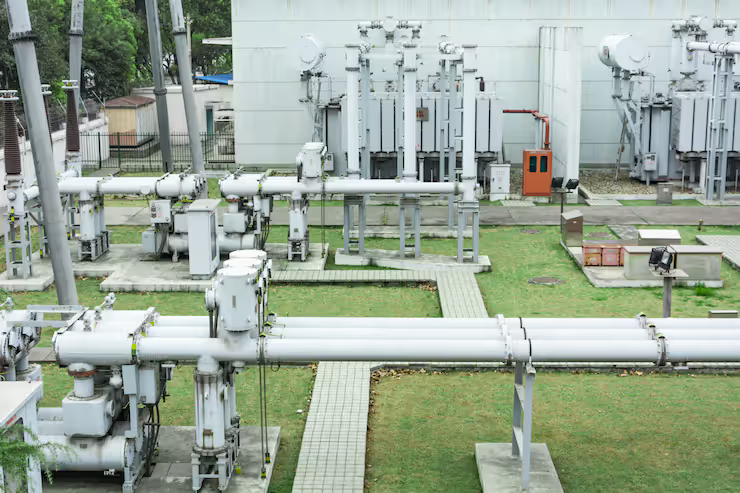
The global shift toward cleaner energy, including hydrogen-based solutions, has also influenced how gas systems are designed and evaluated. Additionally, digital monitoring tools and IoT integration are transforming traditional gas infrastructure into smart systems capable of predictive maintenance.
Understanding the differences between various industrial gas systems helps organizations make informed decisions based on cost, scalability, reliability, and compliance requirements.
Who It Affects and What Problems It Solves
Industrial gas systems impact a wide range of sectors, including manufacturing, healthcare, food processing, energy production, and chemical industries. For example, hospitals rely on medical-grade oxygen systems for patient care, while steel plants use oxygen and nitrogen in production processes. Food industries depend on carbon dioxide and nitrogen for packaging and preservation.
Small and medium enterprises (SMEs) often face challenges in choosing between cylinder-based systems and bulk storage due to budget constraints. Large-scale industries, on the other hand, must balance operational efficiency with regulatory compliance and long-term sustainability goals.
These systems solve several critical problems:
- Supply reliability: Ensures uninterrupted gas availability for continuous operations
- Cost optimization: Reduces logistics and procurement expenses through efficient delivery methods
- Safety management: Minimizes risks associated with high-pressure gases
- Process efficiency: Enhances production quality and consistency
- Environmental impact: Supports emission reduction through optimized gas usage
Without well-designed gas systems, industries may face production delays, increased operational risks, and higher costs.
Recent Updates and Trends
Over the past year, several developments have shaped the industrial gas systems landscape:
- Hydrogen infrastructure expansion: Governments and private sectors are investing in hydrogen production and distribution systems, particularly for clean energy initiatives
- On-site gas generation growth: Technologies like PSA (Pressure Swing Adsorption) and membrane systems are increasingly adopted for nitrogen and oxygen generation
- Digital monitoring systems: IoT-enabled sensors now allow real-time tracking of gas pressure, flow, and consumption
- Energy efficiency improvements: Advanced compressors and insulation materials are reducing energy consumption in gas storage and transport
- Supply chain resilience: Industries are shifting toward decentralized gas production to avoid disruptions
These trends highlight a move toward smarter, more sustainable, and cost-efficient gas systems.
Comparison Table of Industrial Gas Systems
| Feature | Cylinder Systems | Bulk Storage Systems | On-site Generation Systems | Cryogenic Systems |
|---|---|---|---|---|
| Initial Cost | Low | Medium | High | High |
| Operating Cost | High (frequent refills) | Moderate | Low (long-term) | Moderate |
| Scalability | Limited | Moderate | High | High |
| Space Requirement | Low | Medium | Medium | High |
| Supply Reliability | Dependent on delivery | More stable | Highly reliable | Highly reliable |
| Maintenance | Low | Moderate | High (technical systems) | High |
| Safety Risks | Moderate | Moderate | Lower (controlled systems) | Higher (extreme temperatures) |
| Best Use Case | Small operations | Medium industries | Continuous large-scale use | Specialized applications |
Laws and Policies
Industrial gas systems are heavily regulated to ensure safety, environmental protection, and operational reliability. In India, several frameworks influence their design and usage:
- Petroleum and Explosives Safety Organization (PESO): Regulates storage, transport, and handling of compressed gases
- Factories Act, 1948: Mandates workplace safety standards, including gas handling protocols
- Bureau of Indian Standards (BIS): Provides technical specifications for gas cylinders and equipment
- Environmental regulations: Govern emissions and hazardous gas handling
Practical Guidance
- Small-scale industries: Cylinder systems are easier to comply with due to simpler regulatory requirements
- Medium industries: Bulk storage systems offer a balance between compliance and efficiency
- Large industries: On-site generation systems help meet stricter environmental and safety standards
- Specialized sectors: Cryogenic systems are suitable where ultra-low temperatures are required, but compliance is more complex
Organizations must align system selection with regulatory obligations to avoid penalties and ensure safe operations.
Tools and Resources
Several tools and resources can assist in planning, monitoring, and optimizing industrial gas systems:
- Gas flow calculators: Help estimate consumption and system capacity
- Pressure drop calculators: Useful for pipeline design and efficiency analysis
- Energy audit tools: Identify inefficiencies in gas usage
- IoT monitoring platforms: Provide real-time data and predictive maintenance alerts
- Safety compliance checklists: Ensure adherence to regulatory standards
- Industry standards documentation: Such as ISO and BIS guidelines
- Simulation software: Used for system design and performance modeling
These resources enable data-driven decision-making and improve system performance over time.
Frequently Asked Questions (FAQ)
What is the most cost-effective industrial gas system?
The cost-effectiveness depends on usage scale. For continuous large-scale operations, on-site generation systems often provide lower long-term costs compared to cylinders or bulk storage.
How do industrial gas systems improve efficiency?
They ensure consistent gas supply, reduce downtime, and optimize production processes, leading to improved operational efficiency.
Are on-site gas generation systems safe?
Yes, when properly maintained. They reduce risks associated with transportation and storage of high-pressure cylinders.
What factors should be considered when choosing a gas system?
Key factors include consumption volume, budget, space availability, safety requirements, and regulatory compliance.
How are industrial gas systems becoming more sustainable?
New technologies focus on energy efficiency, reduced emissions, and integration with renewable energy sources, such as hydrogen-based systems.Conclusion
Industrial gas systems play a critical role in modern industry, supporting everything from manufacturing to healthcare. The choice between cylinder, bulk storage, on-site generation, and cryogenic systems depends largely on operational scale, cost considerations, and regulatory requirements.
Data-driven trends indicate a clear shift toward on-site generation and digital monitoring due to their efficiency and reliability advantages. While initial investments may be higher, these systems often deliver better long-term value and sustainability outcomes.
For small operations, cylinder systems remain practical and cost-effective. Medium-scale industries benefit from bulk storage, while large-scale operations increasingly favor on-site generation for continuous supply and cost control. Cryogenic systems are best suited for specialized applications requiring extreme conditions.
A well-informed decision should consider both immediate needs and future scalability, ensuring alignment with evolving industry standards and environmental goals.