Explore Green Office Furniture A Complete Guide with Basics, Facts, and Insights
Green office furniture refers to workplace furnishings designed with sustainability, environmental responsibility, and human well-being in mind. It exists as a response to the growing environmental footprint of commercial interiors, where traditional furniture production often relies on resource-intensive materials, high energy consumption, and chemical-heavy finishes. As organizations expand and modernize workspaces, the demand for sustainable office furniture has grown alongside broader corporate sustainability goals.
At its core, green office furniture integrates eco-friendly materials, responsible manufacturing practices, and long-term usability. This includes the use of recycled metals, certified wood, low-emission finishes, and modular designs that extend product life cycles. The concept aligns with global discussions around climate change, circular economy principles, and sustainable development, making it an essential topic within modern workplace planning and environmental management.
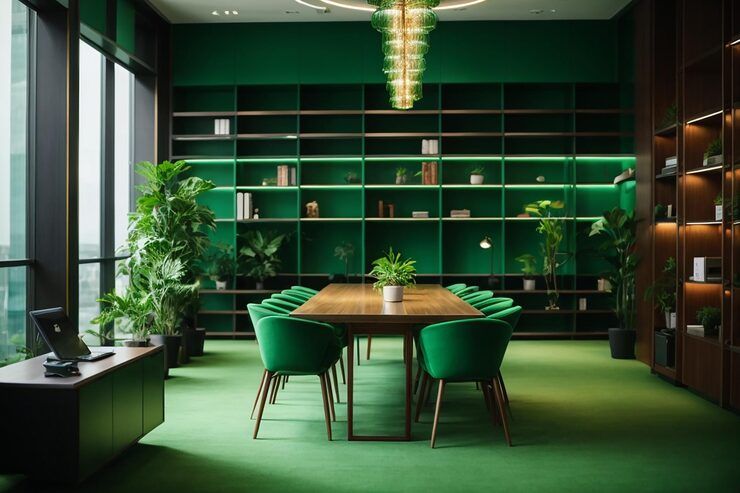
Importance: Why Green Office Furniture Matters Today
Green office furniture plays a critical role in shaping healthier, more responsible work environments. Its relevance has increased as organizations face pressure from stakeholders, investors, and regulators to demonstrate environmental, social, and governance (ESG) performance.
Environmental and organizational impact
-
Reduces carbon footprint associated with raw material extraction and manufacturing
-
Supports sustainable supply chain management
-
Contributes to green building certifications such as LEED and WELL
-
Aligns with corporate sustainability reporting frameworks
Impact on people and productivity
Employees spend a significant portion of their time indoors, making indoor environmental quality a priority. Furniture designed with low volatile organic compound (VOC) emissions supports improved air quality. Ergonomic office furniture also promotes physical comfort, reducing strain and supporting workplace wellness initiatives.
Problems it helps address
-
Excessive waste from short-lived office interiors
-
Resource depletion due to non-renewable materials
-
Indoor air quality concerns from chemical finishes
-
Inconsistent alignment with corporate ESG benchmarks
The following table summarizes key benefits:
| Area of Impact | Traditional Furniture | Green Office Furniture |
|---|---|---|
| Materials | Virgin wood, plastics | Recycled, certified materials |
| Emissions | Higher VOC levels | Low-emission finishes |
| Lifecycle | Short replacement cycles | Long-term usability |
| ESG Alignment | Limited | Strong alignment |
Recent Updates: Trends and Developments in the Past Year
Over the past year, green office furniture has evolved rapidly, influenced by sustainability targets and workplace transformation trends.
2024–2025 sustainability-focused trends
-
Circular design models (2024): Increased adoption of modular and reconfigurable furniture systems to reduce waste
-
Carbon transparency (2024): Manufacturers publishing environmental product declarations (EPDs) for office furniture
-
Hybrid workspace adaptation (2025): Sustainable furniture designed for flexible layouts supporting hybrid work models
-
Biophilic integration (late 2024): Use of natural textures and responsibly sourced wood to enhance employee well-being
Laws and Policies Influencing Green Office Furniture in India
In India, green office furniture is indirectly shaped by environmental regulations, building standards, and sustainability programs rather than furniture-specific legislation.
Key regulatory and policy influences
-
National Action Plan on Climate Change (NAPCC): Encourages energy efficiency and sustainable material usage across sectors
-
Bureau of Indian Standards (BIS): Provides quality and safety benchmarks for furniture materials
-
Green Rating for Integrated Habitat Assessment (GRIHA): Promotes sustainable interiors in commercial buildings
-
Extended Producer Responsibility (EPR) frameworks: Influence material selection and waste management strategies
These policies collectively encourage organizations to adopt sustainable office interiors that align with national environmental priorities and international climate commitments.
Tools and Resources for Green Office Furniture Decisions
Several tools and informational resources support informed decision-making around sustainable office furniture.
Assessment and planning tools
-
Life cycle assessment (LCA) calculators for material impact evaluation
-
Carbon footprint estimation tools for commercial interiors
-
Indoor air quality assessment frameworks
Standards and reference platforms
-
LEED v4.1 Interior Design guidelines
-
WELL Building Standard resources
-
GRIHA documentation for sustainable interiors
Educational resources
-
Sustainability reporting frameworks such as GRI and ESG disclosures
-
Academic research databases on sustainable materials
-
Workplace ergonomics and wellness guidelines
These resources help organizations integrate green office furniture into broader sustainability and compliance strategies.
Frequently Asked Questions About Green Office Furniture
What materials are commonly used in green office furniture?
Green office furniture typically uses recycled metals, certified wood, low-emission laminates, and water-based finishes to minimize environmental impact.
How does green office furniture support ESG goals?
It contributes to environmental metrics through reduced emissions, supports social goals by improving employee well-being, and strengthens governance through transparent sourcing practices.
Is green office furniture suitable for large corporate offices?
Yes, modular and scalable designs make it adaptable for large office environments while supporting sustainability benchmarks.
Does green office furniture affect indoor air quality?
Low-VOC materials and finishes help maintain healthier indoor air quality compared to conventional furniture options.
How is green office furniture connected to green buildings?
It supports green building certifications by aligning with material, emissions, and wellness criteria outlined in rating systems.
Conclusion: The Future of Sustainable Workspaces
Green office furniture represents a strategic shift in how workplaces are designed, managed, and evaluated. Beyond aesthetics, it reflects a commitment to environmental responsibility, employee well-being, and long-term organizational resilience. As sustainability regulations tighten and ESG expectations rise, integrating eco-friendly office furniture becomes an essential component of responsible workplace planning.
The continued evolution of materials science, carbon transparency, and circular design principles suggests that green office furniture will remain central to future-ready offices. By aligning furniture choices with sustainability frameworks and policy guidance, organizations can create workspaces that are efficient, adaptable, and environmentally conscious.