Electric Grid Innovation Explained: An In-Depth Guide to Modern Power Systems, Technologies, and Smart Grid Basics
Electric grid innovation refers to the evolution of traditional power networks into digitally enabled, intelligent, and adaptive energy systems. Conventional electric grids were designed decades ago to transmit electricity in a one-directional flow from centralized power plants to end users. As electricity demand patterns, energy sources, and climate priorities have changed, these legacy systems have faced increasing limitations.
Modern electric grids exist to support decentralized power generation, real-time monitoring, grid automation, and higher reliability. Grid innovation emerged to address rising electricity consumption, integration of renewable energy sources, and the need for improved power quality and resilience. Technologies such as smart grids, digital substations, and advanced distribution management systems now form the backbone of modern power systems.
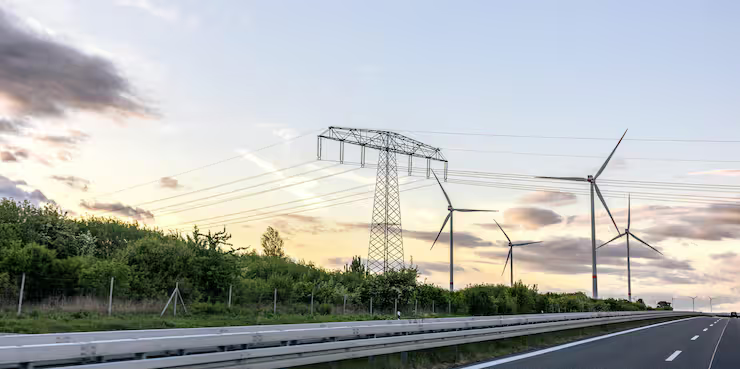
At its core, electric grid innovation aims to create a flexible, data-driven infrastructure capable of balancing supply and demand efficiently while maintaining system stability.
Importance: Why Modern Power Systems Matter Today
Electric grid innovation plays a critical role in today’s energy ecosystem. As societies become increasingly electrified, dependable and intelligent power delivery becomes essential.
Key reasons this topic matters include:
-
Rapid growth in electricity demand from urbanization and digital infrastructure
-
Expansion of renewable energy integration such as solar and wind
-
Increased focus on grid resilience and outage prevention
-
Need for real-time energy monitoring and predictive maintenance
Modern power systems affect households, industries, utilities, regulators, and technology providers. Without innovation, aging grids struggle with congestion, voltage instability, and limited visibility into system performance.
Problems Addressed by Grid Innovation
-
Power transmission losses and inefficiencies
-
Limited grid flexibility during peak demand
-
Lack of real-time data for grid operators
-
Challenges in integrating distributed energy resources
By applying smart grid technologies, utilities can improve operational efficiency, enhance reliability, and support long-term energy security goals.
Recent Updates: Trends and Developments in the Past Year
Over the past year, electric grid modernization has accelerated globally due to energy transition targets and digital transformation initiatives.
Key Trends Observed in 2024–2025
-
Increased deployment of advanced metering infrastructure (AMI) enabling real-time consumption insights
-
Wider adoption of artificial intelligence in grid analytics for load forecasting and fault detection
-
Expansion of battery energy storage systems to support grid balancing
-
Growth of microgrids for localized energy resilience
In late 2024, several regions reported expanded pilot projects for self-healing grids, using automated switches and sensors to isolate faults instantly. By early 2025, utilities began scaling cloud-based grid management platforms to improve situational awareness across transmission and distribution networks.
These developments reflect a broader shift toward software-defined power systems supported by data intelligence.
Laws and Policies: Regulatory Influence on Grid Innovation
Electric grid innovation is closely shaped by national and regional energy policies. Regulatory frameworks often determine how quickly modern technologies can be deployed.
In India, grid innovation is influenced by policies such as:
-
Ministry of Power initiatives for grid modernization
-
National Smart Grid Mission programs promoting digital substations and automation
-
Grid codes issued by the Central Electricity Authority to ensure system reliability
-
Renewable integration guidelines supporting variable energy sources
Globally, energy transition policies encourage utilities to invest in smart grids to meet emission reduction targets while maintaining grid stability. Regulatory sandboxes introduced in recent years allow controlled testing of emerging grid technologies without compromising compliance.
Tools and Resources: Supporting Smart Grid Understanding
Several tools and platforms help professionals, researchers, and learners explore electric grid innovation concepts.
Commonly Used Grid Tools
-
Load forecasting and power flow analysis software
-
Smart meter data analytics dashboards
-
Grid simulation and planning models
-
Distribution automation monitoring systems
Educational and Reference Resources
-
Utility-published grid modernization reports
-
Academic journals on power system engineering
-
Energy regulatory authority guidelines
-
Open-source grid modeling frameworks
These resources support informed decision-making and deeper understanding of modern power systems.
Key Technologies in Modern Electric Grids
The table below highlights major technologies shaping electric grid innovation:
| Technology | Primary Function | Grid Benefit |
|---|---|---|
| Smart Grid Systems | Digital monitoring and control | Improved reliability |
| Advanced Sensors | Real-time fault detection | Faster restoration |
| Energy Storage | Load balancing | Grid stability |
| Grid Automation | Self-healing operations | Reduced outages |
| AI Analytics | Predictive insights | Operational efficiency |
FAQs: Common Questions About Electric Grid Innovation
What is a smart grid in simple terms?
A smart grid is an electricity network that uses digital technology to monitor, analyze, and manage power flow in real time.
How does grid innovation support renewable energy?
Modern grids balance variable energy output using automation, storage, and advanced forecasting tools.
Are modern power systems more reliable than traditional grids?
Yes. Smart grids improve fault detection, reduce downtime, and enhance overall system resilience.
What role does data play in electric grid modernization?
Data enables predictive maintenance, demand forecasting, and efficient energy distribution.
Can electric grids adapt to future energy demands?
Innovative grid architectures are designed to scale and adapt as demand patterns evolve.
Conclusion: The Future of Intelligent Power Infrastructure
Electric grid innovation represents a foundational shift in how electricity is generated, transmitted, and managed. By integrating digital intelligence, automation, and flexible architectures, modern power systems address the limitations of legacy grids while supporting sustainability goals.
As energy demand continues to rise and power generation becomes more decentralized, intelligent grids will remain essential for reliability, efficiency, and resilience. Understanding smart grid basics and modern power technologies provides valuable insight into the future of global energy infrastructure.