Biogas Power Plants Guide: Insights, Basics, Facts, and Practical Knowledge Overview
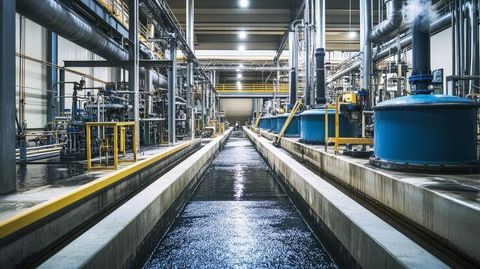
Biogas power plants are systems designed to convert organic waste into usable energy through a biological process known as anaerobic digestion. In this process, microorganisms break down organic materials such as agricultural waste, food scraps, and animal manure in the absence of oxygen, producing a gas mixture primarily composed of methane and carbon dioxide. This biogas can be used to generate electricity, heat, or upgraded into biomethane for grid injection or transport fuel.
The growing interest in biogas power plants is closely tied to global concerns around climate change, waste management, and energy security. As countries seek alternatives to fossil fuels, biogas presents a renewable and decentralized energy solution that also addresses waste disposal challenges. In recent years, trends such as circular economy models, carbon reduction targets, and sustainable agriculture practices have increased the relevance of biogas systems.
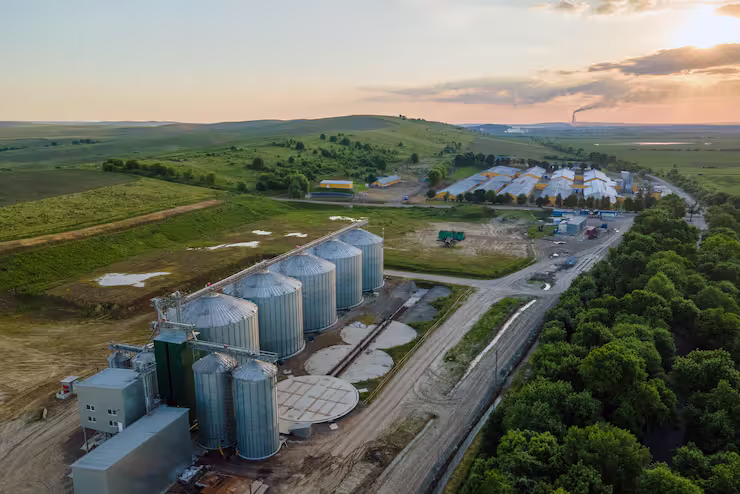
The impact of biogas power plants extends beyond energy generation. They contribute to greenhouse gas reduction, improve sanitation, and provide nutrient-rich digestate as a byproduct for agriculture. As governments and industries invest in renewable energy infrastructure, understanding how biogas systems compare with other energy solutions and where they are most effective has become increasingly important.
Who It Affects and What Problems It Solves
Biogas power plants affect a wide range of stakeholders, including farmers, municipal authorities, energy producers, and rural communities. For farmers, these systems offer a way to manage livestock waste while generating additional income or energy for on-site use. Municipalities benefit by reducing landfill waste and improving waste treatment efficiency. Industries, particularly in food processing, can utilize organic waste streams to offset energy costs.
In developing and rural areas, biogas systems play a significant role in improving energy access. Small-scale digesters can provide clean cooking fuel, reducing reliance on traditional biomass such as firewood. This has direct implications for health, as it reduces indoor air pollution.
Problems It Solves
Biogas power plants address several key challenges:
- Waste Management Issues: Organic waste accumulation in landfills leads to methane emissions. Biogas systems capture and utilize this methane productively.
- Greenhouse Gas Emissions: By converting waste into energy, biogas reduces emissions compared to uncontrolled decomposition.
- Energy Shortages: Provides a renewable energy source, particularly in off-grid or rural areas.
- Soil Fertility Decline: Digestate byproduct serves as an organic fertilizer, improving soil health.
- Dependence on Fossil Fuels: Offers a cleaner alternative, contributing to energy diversification.
Recent Updates and Trends
Over the past year, the biogas sector has seen notable developments driven by policy support, technological improvements, and sustainability goals.
- Increased Investment in Biomethane: Many countries are upgrading biogas to biomethane for injection into natural gas grids. This aligns with decarbonization strategies in Europe and parts of Asia.
- Integration with Circular Economy Models: Industries are increasingly adopting biogas systems to recycle waste internally, reducing operational costs and environmental impact.
- Digital Monitoring Systems: Advanced sensors and IoT-based monitoring tools are improving plant efficiency and reducing operational risks.
- Government Incentives Expansion: Several nations have expanded subsidies and feed-in tariffs to encourage renewable energy adoption, including biogas.
- Focus on Agricultural Waste: Policies are increasingly targeting crop residue and livestock waste to reduce open burning and pollution.
These updates indicate a shift from small-scale, localized systems to more integrated and industrial-scale biogas solutions.
Biogas Power Plants Comparison Table
| Parameter | Small-Scale Biogas Plants | Medium-Scale Plants | Large-Scale Industrial Plants |
|---|---|---|---|
| Capacity | < 100 kW | 100 kW – 1 MW | > 1 MW |
| Feedstock Type | Household, farm waste | Mixed organic waste | Industrial & municipal waste |
| Initial Investment | Low | Moderate | High |
| Technology Complexity | Simple | Moderate | Advanced |
| Maintenance Requirement | Low | Medium | High |
| Energy Output | Cooking, small power | Local grid supply | Commercial power generation |
| Scalability | Limited | Flexible | High |
| Environmental Impact | Localized benefits | Moderate | Significant emissions reduction |
| Typical Users | Rural households | Farms, small industries | Utilities, municipalities |
Laws or Policies
Biogas power plants are influenced by national and regional policies related to renewable energy, waste management, and environmental protection. These regulations can determine project feasibility, funding availability, and operational requirements.
Key Policy Areas
- Renewable Energy Targets: Governments often include biogas in their renewable energy portfolios, offering incentives such as feed-in tariffs or tax benefits.
- Waste Management Regulations: Policies that restrict landfill use or mandate waste segregation encourage the adoption of biogas systems.
- Carbon Reduction Commitments: Biogas projects may qualify for carbon credits under emissions reduction programs.
- Subsidy Programs: Financial support for installation, particularly in rural or agricultural sectors, lowers entry barriers.
Practical Guidance
- Rural Areas: Small-scale plants are suitable where organic waste is readily available and grid access is limited.
- Agricultural Regions: Medium-scale systems work well for farms with consistent manure supply.
- Urban or Industrial Zones: Large-scale plants are ideal for handling municipal or industrial organic waste streams.
Understanding local regulations is essential before implementation, as compliance requirements can vary significantly.
Tools and Resources
Several tools and resources can assist in planning, operating, and optimizing biogas power plants:
- Biogas Calculators:estimate potential gas yield based on feedstock type and quantity.
- Simulation Software: Tools like anaerobic digestion models help predict system performance.
- Government Portals: Provide information on subsidies, policies, and compliance requirements.
- Monitoring Systems: IoT-based platforms track temperature, pH, and gas production in real time.
- Technical Guidelines: Manuals and standards published by energy agencies and research institutions.
- Training Programs: Workshops and certification courses for plant operators and engineers.
These resources improve decision-making and ensure efficient plant operation.
Frequently Asked Questions
What is the main advantage of biogas power plants?
Biogas plants convert waste into energy while reducing greenhouse gas emissions, making them both an energy and waste management solution.
How efficient are biogas power plants?
Efficiency depends on feedstock quality and system design, but modern plants can achieve high energy recovery rates with proper management.
Can biogas replace fossil fuels completely?
Biogas can supplement energy needs but is typically part of a broader renewable energy mix rather than a complete replacement.
What types of waste can be used in biogas systems?
Common feedstocks include animal manure, food waste, agricultural residues, and organic industrial waste.
Are biogas plants suitable for urban areas?
Yes, especially large-scale plants that process municipal organic waste, though they require proper infrastructure and planning.
Conclusion
Biogas power plants represent a practical and scalable approach to addressing interconnected challenges in energy production, waste management, and environmental sustainability. Data from global renewable energy trends indicate increasing adoption due to policy support and technological advancements. Small-scale systems are effective for localized needs, while large-scale plants contribute significantly to national energy grids and emissions reduction targets.
From an analytical perspective, the suitability of a biogas system depends on feedstock availability, investment capacity, and regulatory environment. For rural and agricultural contexts, decentralized systems offer immediate benefits, whereas urban and industrial settings benefit more from centralized, large-scale installations.
Overall, biogas power plants are not a one-size-fits-all solution but a versatile component of a diversified renewable energy strategy. When implemented under the right conditions, they provide measurable environmental and economic benefits, making them a valuable option in the transition toward sustainable energy systems.