Biofuel Processing Units: Explore the Guide, Basics, Insights, and Essential Knowledge
Biofuel processing units are specialized industrial facilities designed to convert biological materials into renewable fuel. These facilities use biomass resources such as agricultural residues, organic waste, algae, or plant oils to produce energy-rich fuels like biodiesel, bioethanol, and biogas. As global energy demand grows and environmental concerns increase, biofuel technology has become an important part of renewable energy systems and sustainable fuel strategies.
Modern biofuel processing units rely on advanced biomass conversion technologies. These technologies involve chemical, biological, and thermochemical processes that transform raw biomass into usable liquid or gaseous fuels. By converting organic material into renewable energy, these units help reduce dependence on fossil fuels and support carbon reduction initiatives.
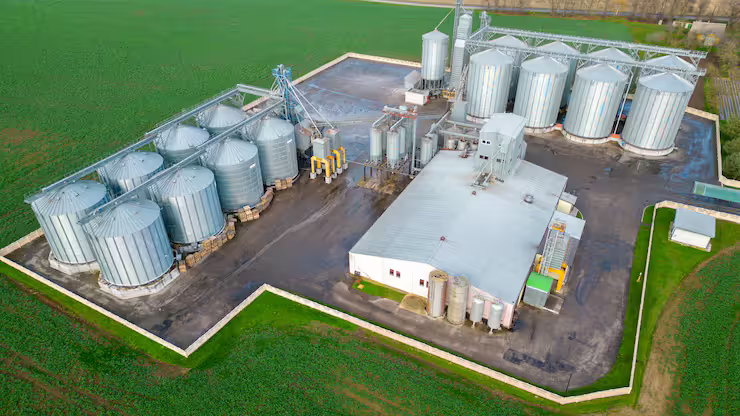
The development of biomass energy infrastructure has expanded rapidly due to climate policies, energy security goals, and the need for cleaner transportation fuels. Today, biofuel processing units are used in energy production, transportation fuel supply, and industrial power generation.
Understanding the Fundamentals of Biofuel Processing Technology
Biofuel processing involves several stages that convert raw biological materials into renewable fuel products. Each stage uses specialized equipment and engineered processes designed to maximize fuel efficiency and energy output.
Common biofuel processing pathways include:
• Fermentation processes used in bioethanol production
• Transesterification technology used in biodiesel production
• Anaerobic digestion systems used in biogas generation
• Thermochemical conversion used in advanced biofuel refineries
These processing methods vary depending on the type of biomass feedstock and the desired fuel product.
Table: Common Biofuel Types and Feedstocks
| Biofuel Type | Primary Feedstock | Processing Method | Typical Use |
|---|---|---|---|
| Bioethanol | Sugarcane, corn, wheat | Fermentation | Transportation fuel blending |
| Biodiesel | Vegetable oils, waste cooking oil | Transesterification | Diesel engine fuel |
| Biogas | Organic waste, manure | Anaerobic digestion | Electricity and heat generation |
| Advanced biofuels | Agricultural residues, algae | Thermochemical conversion | Aviation and heavy transport |
Efficient biofuel processing units integrate feedstock preparation, conversion reactors, purification systems, and storage infrastructure. These systems are designed to optimize biomass energy conversion while minimizing waste and emissions.
Why Biofuel Processing Units Matter in Modern Energy Systems
Renewable energy technology has become a critical component of global energy strategies. Biofuel processing units play a significant role in supporting the transition toward sustainable fuel infrastructure.
Key reasons these systems are important include:
• Reducing greenhouse gas emissions from transportation fuels
• Utilizing agricultural waste and organic residues for energy production
• Supporting energy diversification and energy security
• Enabling decentralized renewable energy generation
Many countries with strong agricultural sectors benefit from biomass energy systems because feedstock materials are widely available. Crop residues, forestry byproducts, and organic waste streams can be converted into renewable fuels instead of being discarded.
Biofuel processing technology also contributes to circular economy principles. Waste materials that would otherwise generate environmental pollution are transformed into valuable energy resources.
Another important benefit is compatibility with existing fuel infrastructure. Bioethanol and biodiesel can often be blended with conventional fuels, allowing gradual adoption without major changes to engines or distribution systems.
Recent Developments in Biofuel Processing Technology
The past year has seen several technological advancements and policy developments in the renewable fuel sector.
One major trend is the rise of advanced biofuel refineries that process non-food biomass materials such as agricultural waste, forestry residues, and algae. These technologies help address concerns related to food crop competition.
In 2025, several countries increased investment in second-generation biofuel technologies that use lignocellulosic biomass. These fuels are produced from plant fibers and residues rather than edible crops.
Important developments include:
• Expansion of algae-based biofuel research programs
• Increased adoption of waste-to-energy biofuel facilities
• Integration of carbon capture technologies in biofuel plants
• Improvements in enzymatic hydrolysis efficiency
Many renewable energy research institutions are also developing biorefinery systems capable of producing multiple products from biomass, including biofuels, biochemicals, and renewable materials.
Graph: Global Biofuel Production Growth Trend
| Year | Estimated Production Growth |
|---|---|
| 2022 | Moderate growth |
| 2023 | Strong growth |
| 2024 | Continued expansion |
| 2025 | Rapid technological innovation |
These trends suggest that biofuel processing units will play an increasingly important role in the global renewable energy landscape.
Government Policies and Regulations Affecting Biofuel Processing
Biofuel production is strongly influenced by national energy policies and environmental regulations. Governments often implement renewable fuel programs to encourage the adoption of sustainable energy technologies.
In India, the government supports renewable fuel initiatives through programs such as the National Biofuel Policy and ethanol blending targets. These initiatives promote the use of agricultural residues and biomass for fuel production.
Key policy factors affecting biofuel processing units include:
• Renewable fuel blending mandates
• Carbon emission reduction targets
• Waste-to-energy programs
• Sustainable agriculture and biomass utilization initiatives
Many countries also align their policies with international climate commitments related to emission reduction and renewable energy expansion.
Environmental regulations ensure that biofuel production processes follow sustainability standards. These standards address land use, feedstock sourcing, and emissions management.
Policy frameworks also encourage research in biomass conversion technology, renewable fuel infrastructure, and sustainable energy innovation.
Useful Tools and Resources for Biofuel Technology Research
Researchers, students, and energy professionals often rely on digital tools and technical platforms to analyze biofuel processing systems.
Helpful resources include:
• Biomass conversion simulation software
• Renewable energy analysis calculators
• Fuel lifecycle emission assessment tools
• Bioenergy research databases
• Industrial bioprocess modeling platforms
Common types of analytical tools include:
| Tool Category | Purpose |
|---|---|
| Biomass energy calculators | Estimate energy output from biomass feedstocks |
| Lifecycle emission models | Evaluate environmental impact of biofuel production |
| Bioprocess simulation software | Model fermentation and chemical conversion processes |
| Renewable energy databases | Access global research and policy reports |
These resources help researchers understand fuel efficiency, environmental impact, and technical feasibility of different biofuel processing technologies.
Educational institutions and energy organizations also publish technical guides that support innovation in renewable fuel production.
Frequently Asked Questions About Biofuel Processing Units
What is a biofuel processing unit?
A biofuel processing unit is an industrial facility designed to convert biological materials such as crops, waste biomass, or organic residues into renewable fuels like biodiesel, bioethanol, or biogas.
What types of biomass are commonly used for biofuel production?
Common biomass feedstocks include sugarcane, corn, vegetable oils, agricultural residues, animal waste, algae, and organic municipal waste.
How does bioethanol production work?
Bioethanol is produced through fermentation. Sugars extracted from crops such as corn or sugarcane are fermented by microorganisms to produce ethanol, which is then purified for fuel blending.
Are biofuels considered environmentally friendly?
Biofuels can reduce greenhouse gas emissions compared to conventional fossil fuels when produced using sustainable feedstocks and efficient processing technologies.
What is the difference between first-generation and advanced biofuels?
First-generation biofuels use food crops as feedstock, while advanced biofuels use non-food biomass materials such as agricultural residues, algae, or waste products.
Conclusion
Biofuel processing units are a key component of modern renewable energy systems. By converting biomass into liquid and gaseous fuels, these facilities help reduce dependence on fossil fuels while supporting sustainable energy production.
Advancements in biomass conversion technology, growing investment in renewable fuel infrastructure, and supportive government policies are accelerating the development of biofuel industries worldwide. As research continues to improve efficiency and sustainability, biofuel processing units are expected to play a major role in the transition toward cleaner and more diversified energy systems.